

Vietnam train travel tips
Traveling by train is a wonderful experience you should not miss when exploring Vietnam. The North-South railway connects many popular cities and destinations, offering travelers the chance to admire the country’s beautiful landscapes along the way. With a choice of seats and sleeper berths, train travel is a convenient and scenic way to discover Vietnam. But what should you know before taking a train journey here? Read on for essential tips to help you prepare for a smooth and enjoyable trip.
Choosing the right train ticket in Vietnam
Vietnamese trains offer different seating and sleeping options to suit various budgets and travel needs. Choosing the right ticket depends on your journey length, comfort preferences and budget.
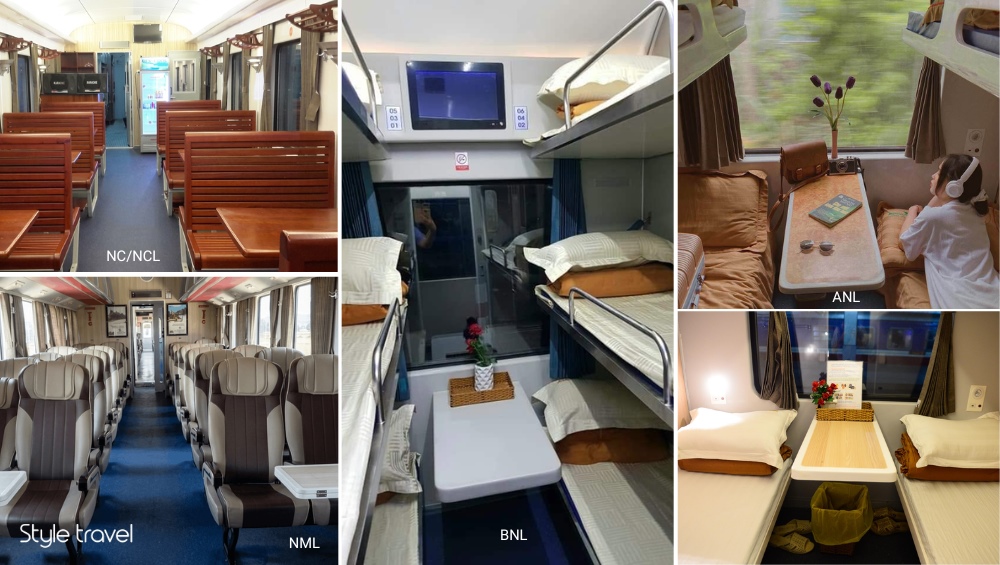
- Hard seats (NC/NCL): The most affordable ticket option, with air conditioning or fan ventilation depending on the train. Best suited for short journeys.
- Soft seats with air conditioning (NML): Cushioned seats with armrests and a slight reclining function, offering more comfort than hard seats. A good choice for medium-length journeys.
- 6-berth sleeper cabins (BNL): These cabins have three tiers of beds. The lower berth is generally the most comfortable and easiest to access, while the upper berth is cheaper but has limited headroom. Basic bedding, such as a pillow and a light blanket, is usually provided.
- 4-berth sleeper cabins (ANL): Featuring two tiers of beds, these cabins offer more space, privacy and comfort than 6-berth compartments. They are ideal for families and small groups traveling overnight.
- VIP or upgraded train cabins: Modern, upgraded carriages are available on selected routes, such as Hanoi–Da Nang and Ho Chi Minh City–Quy Nhon. They may offer enhanced facilities and a more comfortable travel experience, but ticket prices can be relatively high. Compare fares with other transport options before booking.
For short trips, soft seats are a comfortable and affordable choice. For overnight journeys, a 4-berth cabin offers a good balance of comfort and privacy, while 6-berth cabins suit budget travelers. VIP cabins are ideal for those seeking a more private experience.
Popular train routes in Vietnam
Vietnam’s railway network connects several major cities and destinations, offering travelers a convenient way to explore the country while enjoying scenic views along the way. Here are some popular routes to consider when planning your trip.
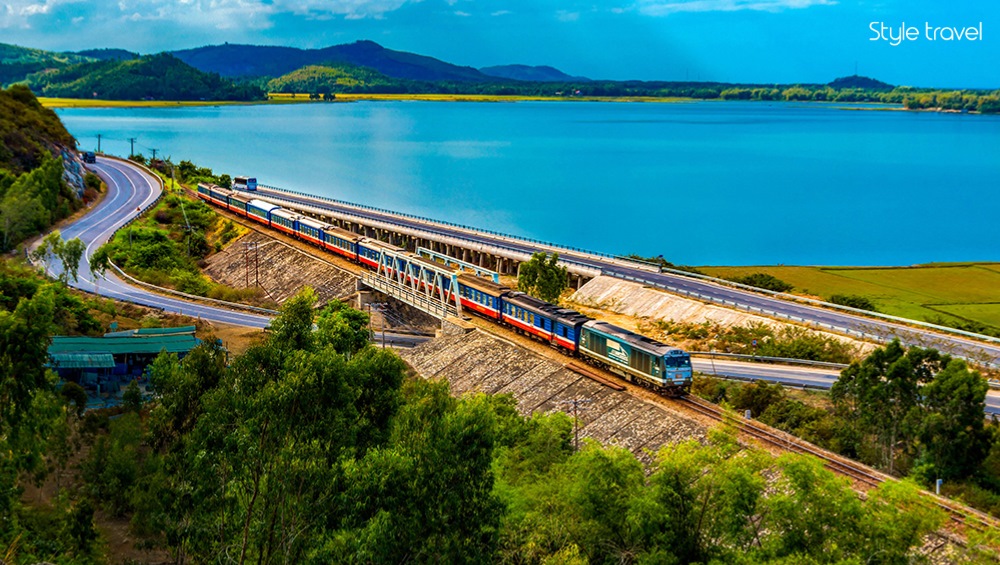
- Hanoi – Ho Chi Minh City (North-South Railway): The main railway route in Vietnam, connecting major destinations such as Ninh Binh, Hue, Da Nang and Nha Trang.
- Hanoi – Lao Cai (for Sapa): A popular overnight train route for travelers heading to Sapa, with onward transfers from Lao Cai to the mountain town.
- Hanoi – Hai Phong: A convenient route for a short trip to Hai Phong, known for its local cuisine and access to nearby Cat Ba Island.
- Hanoi – Dong Dang: A railway route to Lang Son Province, near the Vietnam–China border, suitable for travelers exploring northeastern Vietnam.
- Da Nang – Hue (via Hai Van Pass): One of Vietnam’s most scenic train journeys, offering beautiful views of the coastline, mountains and Hai Van Pass.
How to book train tickets in Vietnam
Travelers can book train tickets online through reputable websites that offer electronic tickets, such as Vietnam Railways, VeTau and Vexere. Booking online is convenient, allowing you to check schedules, compare ticket types and receive your e-ticket without visiting a station. To avoid scams, always use official railway websites or trusted booking platforms and double-check the website address before making a payment.
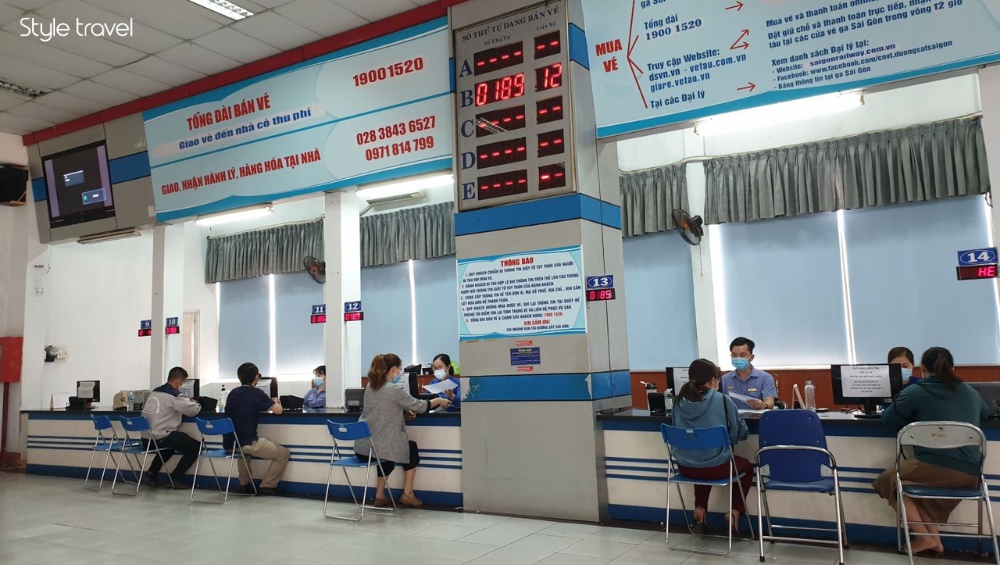
Alternatively, you can purchase tickets directly at railway stations, ticket offices or authorized travel agencies. However, this option may involve waiting in line, and tickets may sell out during public holidays and peak travel seasons.
Train tickets are often released around 30–60 days before departure, although booking periods may vary by route and season. It is recommended to book at least 1–2 weeks in advance to secure your preferred seat or sleeper berth. For popular routes, holiday travel or overnight journeys, booking earlier is a good idea.
What to check on your train ticket
After booking your train ticket, carefully check the following details to make sure everything is correct:
- Passenger information: Full name and passport or other accepted identification number. For children, check the required identification details, such as a birth certificate or other valid document.
- Journey details: Departure and arrival stations, travel date, departure time and return date, if applicable.
- Booking information: Booking reference or ticket number, which you may need when checking your reservation.
- Contact details: Phone number and email address used to receive your e-ticket and booking confirmation.
Make sure the passenger information matches your travel documents to avoid problems when boarding the train.
Read more: Exploring Vietnam by Train
Can you cancel or change your train ticket after booking?
Train tickets can usually be canceled or changed if the request is made in advance, typically at least 24-48 hours before departure, depending on the ticket type and railway policies. Cancellation fees generally range from 10% to 30% of the ticket price, while ticket changes may also incur additional fees. The exact charges and deadlines vary depending on the railway’s policies at the time of booking.
Before completing your payment, carefully check your travel dates, passenger details and ticket conditions, including the cancellation and change policies. Make sure your booking information is accurate and consider your travel plans carefully to avoid unexpected costs.
Important tips for traveling by train in Vietnam
Arrive at the train station around 30–45 minutes before departure to allow enough time to complete any necessary procedures, check your ticket and find your platform before boarding. This helps you avoid rushing or missing your train, especially during peak travel periods when stations can be crowded.
Food and drinks onboard
Many trains offer hot meals and snacks available from food carts. A typical meal costs around VND 50,000-100,000 (approximately USD 2-4).
If you follow a vegan diet or have specific dietary requirements, it is best to bring your own food. Free hot water is often available onboard, so you can bring instant noodles or other dried foods for a convenient meal.
Getting off at intermediate stops
On long-distance journeys, trains may stop at intermediate stations for a short time, allowing passengers to stretch their legs or buy food and drinks.
If you get off the train, pay close attention to announcements and keep track of the departure time. Make sure you return to your carriage well before the train leaves, as it will not wait for passengers who are late.
Traveling by train is a comfortable and scenic way to explore Vietnam, especially for those who want to enjoy the landscapes along the journey. With a little preparation, you can make your train trip smoother and more enjoyable.
If you need help planning a train journey as part of your Vietnam trip, contact Style Travel for personalized travel advice and an itinerary tailored to your schedule and interests.


Vietnam train travel tips

How to spend 3 days in Da Nang

Sapa travel tips for first-time visitors

Best places to see buckwheat flowers in Ha Giang

Tips for staying safe and saving money during peak travel season

Best time to visit rice terraces in Northern Vietnam

Best time to visit Vietnam

Vietnam travel tips

Popular destinations in Vietnam