
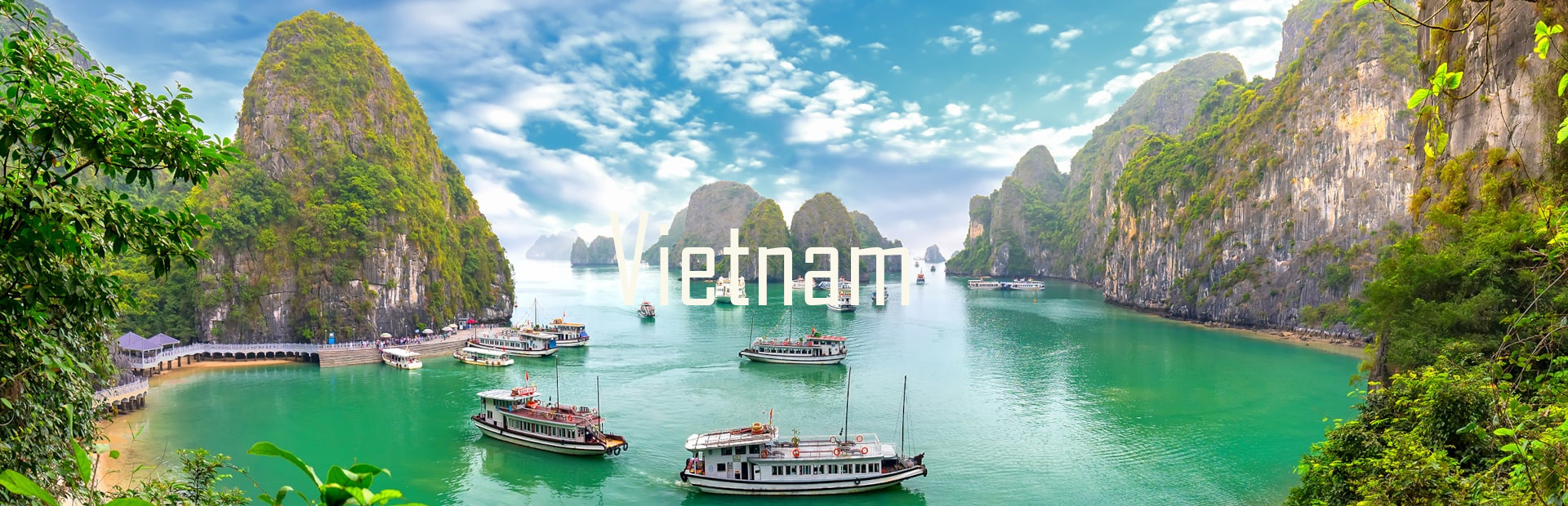
Sapa travel tips for first-time visitors
Sapa is an ideal destination for travelers seeking peaceful mountain scenery and cultural experiences in Northern Vietnam. Visitors can discover the unique traditions of the Hmong people, trek through stunning landscapes, and conquer Fansipan, the highest peak in Indochina. For first-time visitors, a little preparation can make the journey more comfortable and memorable.
Best time to visit Sapa
The best time to visit Sapa is from September to November and March to May, when the weather is generally pleasant and suitable for outdoor activities. Autumn offers beautiful golden rice terraces and clear mountain views, while spring brings mild temperatures, blooming flowers, and fresh green landscapes.
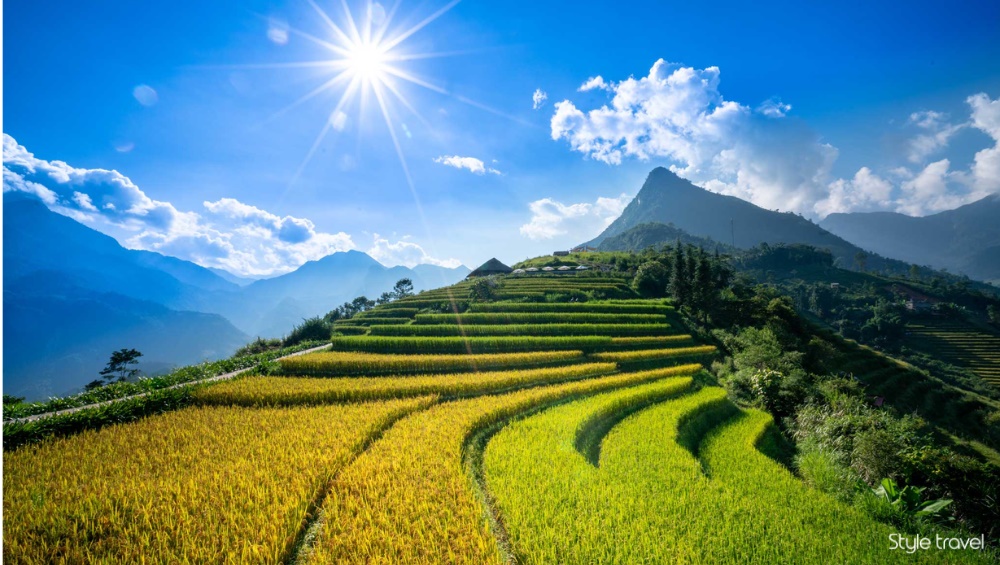
Winter in Sapa, from December to February, can be very cold, with occasional frost or snowfall in higher areas. The trails may become slippery, making trekking more challenging. Summer, from June to August, is a great time to admire lush green rice terraces, but the weather can be hot, humid, and rainy, with occasional heavy showers that may affect outdoor plans.
If you prefer a more relaxed experience, consider visiting Sapa on weekdays, especially during peak travel seasons. Weekends and public holidays tend to attract more visitors, making popular attractions and trekking routes busier. Traveling during the week can offer a quieter atmosphere and more comfortable opportunities to explore the town and surrounding villages.
Read more: Best time to visit rice terraces in Northern Vietnam
How many days should you spend in Sapa?
A 3-day trip is ideal for exploring Sapa and experiencing the natural beauty and cultural charm of Vietnam’s northern mountains. This gives travelers enough time to visit the main attractions, enjoy scenic landscapes, and discover local life at a comfortable pace.
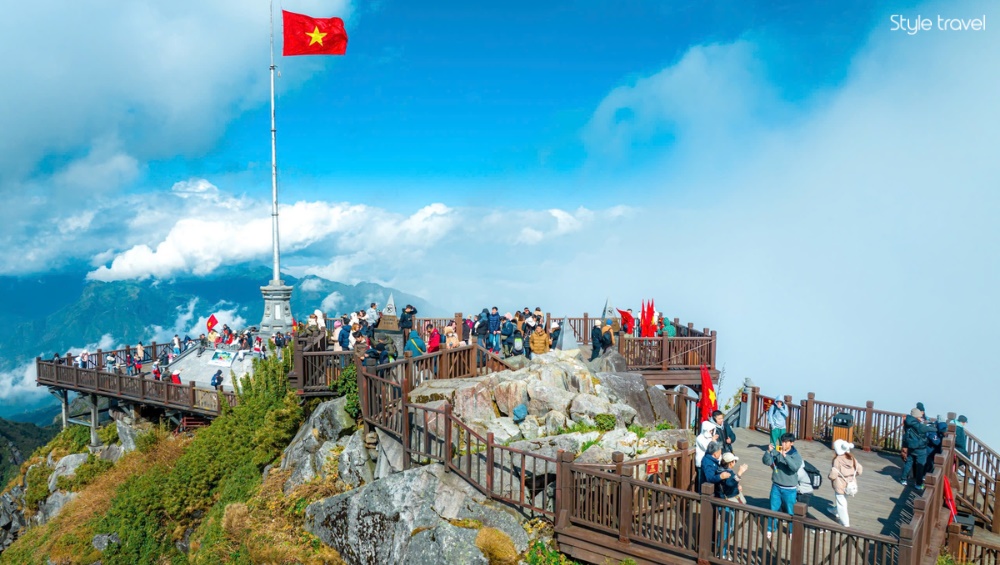
You can dedicate one full day to conquering Fansipan, the highest peak in Indochina, and admiring breathtaking panoramic views of the surrounding mountain ranges. The remaining time can be spent exploring ethnic minority villages, walking through terraced rice fields, and learning about the traditional lifestyles of local communities.
Sapa is also a wonderful place to experience the distinctive cuisine of Northern Vietnam, from local specialties to traditional dishes enjoyed in the mountain villages. With three days, travelers can enjoy a balanced mix of nature, culture, and relaxation without feeling rushed.
How to Get to Sapa
The most convenient way to reach Sapa is to fly to Hanoi, then continue your journey by bus. From Hanoi, travelers can take a sleeper bus or a limousine bus to Sapa, with the journey usually taking around 5 to 7 hours, depending on traffic and road conditions.
Sleeper bus tickets generally cost between VND 250,000 and 750,000 (approximately US$10–29) per person, depending on the bus type, cabin class, and service. Some buses offer comfortable private cabins, making the overnight journey more relaxing.
Upon arrival at the bus station or drop-off point in Sapa, you can take a taxi or arrange a transfer with your hotel to reach your accommodation. During peak travel seasons, it is recommended to book your bus tickets in advance to secure your preferred departure time and seat or cabin.
How much does a trip to Sapa cost?
Travelers can expect to spend around VND 500,000–2,500,000 (approximately US$19–97) per day exploring Sapa, depending on their travel style, accommodation, and activities.
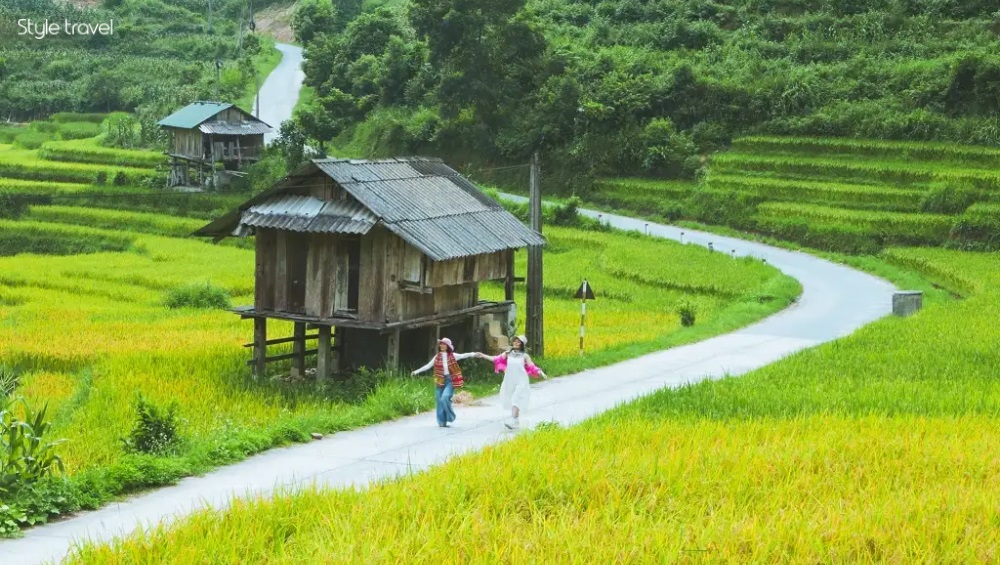
Accommodation in Sapa offers a wide range of options, from budget-friendly homestays to more upscale hotels. Prices may range from around VND 100,000–1,500,000 (approximately US$4–58) per person per night, depending on the property and room type.
For travelers who prefer exploring the surrounding areas independently, motorbike rentals typically cost around VND 150,000–250,000 (approximately US$6–10) per day. Food, entrance fees, and other sightseeing expenses will vary depending on the places you visit and the experiences you choose.
Overall, Sapa can suit different budgets, whether you prefer a simple trip focused on local culture and nature or a more comfortable stay with guided tours and premium accommodation.
Should you bring cash to Sapa?
Most large hotels and restaurants in Sapa accept card payments. However, if you plan to explore local markets, eat at small family-run restaurants, or visit ethnic minority villages, it is a good idea to carry some cash in Vietnamese dong (VND).
Travelers are advised to prepare cash in Hanoi before heading to Sapa. Although ATMs are available in Sapa town, they can be limited in more remote villages and rural areas. Having enough cash on hand will make it easier to pay for local food, transportation, and small purchases during your trip.
Read more: Sapa vs Ha Giang: Which destination is better for your Vietnam trip?
Must-try foods in Sapa
Sapa is not only known for its beautiful mountain landscapes but also for its distinctive local cuisine. Influenced by the traditions of ethnic minority communities and the cool mountain climate, the region offers a variety of delicious dishes worth trying during your visit.
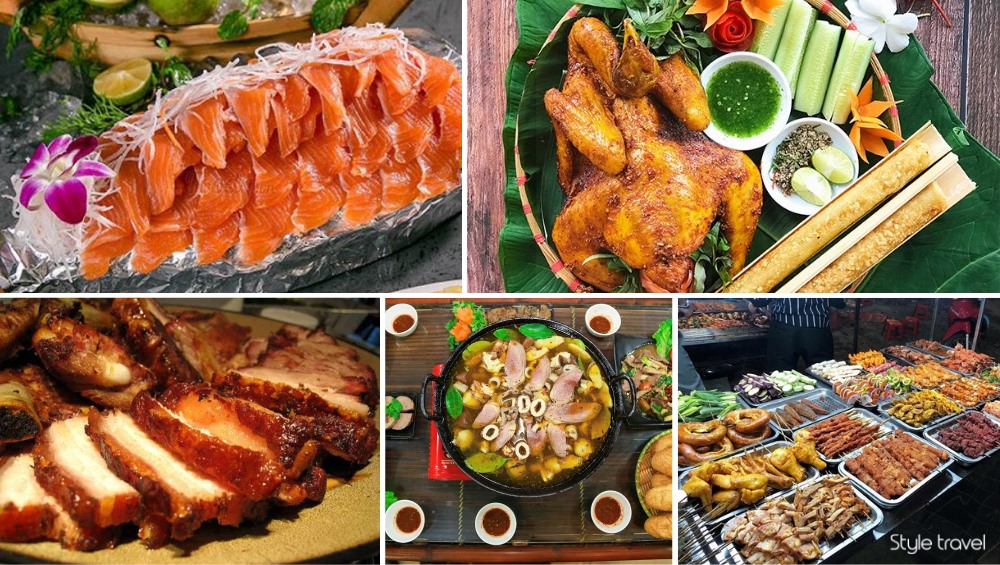
Some local specialties to look out for include:
- Sapa salmon hotpot: A popular dish featuring fresh salmon, vegetables, and a flavorful broth, perfect for enjoying in the cool mountain weather.
- Grilled local pork: Often made with pork from local mountain-raised pigs, marinated with herbs and spices before being grilled over charcoal.
- Thang Co: A traditional dish associated with the Hmong people, traditionally prepared with horse meat and a variety of local herbs and spices.
- Bamboo-tube rice: Sticky rice cooked inside bamboo tubes, giving it a distinctive aroma and making it a popular local specialty.
- Grilled street food: Visitors can find a variety of grilled meats, vegetables, mushrooms, and other snacks at local markets and street stalls, especially in the evening.
Trying these local dishes is a wonderful way to experience Sapa’s food culture and enjoy the flavors of Vietnam’s northern mountains.
Essential tips for visiting Sapa’s Ethnic Villages
Visiting ethnic minority villages is one of the most rewarding experiences in Sapa, offering travelers a chance to learn about local traditions, daily life, and cultural heritage. To make your visit enjoyable and respectful, keep a few simple tips in mind.
- Respect local customs: Each community has its own traditions and cultural practices. Follow local guidance and be mindful when visiting homes or culturally significant places.
- Ask before taking photos: Always seek permission before photographing local residents, especially children.
- Dress appropriately: Wear comfortable clothing suitable for walking, while choosing modest attire when visiting homes or community spaces.
- Be mindful of private spaces: Avoid entering houses, farmland, or other private areas without permission.
- Check prices before buying: If you plan to purchase handicrafts or use local services, politely confirm the price beforehand.
- Support local communities: Consider buying handmade products, enjoying local food, or joining tours led by local guides to support village livelihoods.
A respectful and thoughtful approach helps travelers enjoy a more meaningful cultural experience while contributing positively to the communities they visit.
Sapa offers a wonderful blend of breathtaking mountain scenery, rich cultural traditions, and memorable local experiences. With the right preparation, your journey to this beautiful destination in Northern Vietnam can be both comfortable and rewarding.
If you are planning a trip to Sapa and would like a hassle-free travel experience, contact Style Travel for a personalized tour package. We offer tours across Vietnam and Southeast Asia, with tailor-made itineraries designed around your travel preferences, schedule, and interests. Let us help you create a memorable journey through Sapa and beyond.


Sapa travel tips for first-time visitors

Best places to see buckwheat flowers in Ha Giang

Tips for staying safe and saving money during peak travel season

Best time to visit rice terraces in Northern Vietnam

Best time to visit Vietnam

Vietnam travel tips

Popular destinations in Vietnam

Things to do in Vietnam

What to do in Vietnam for 5 days?