How to plan 2 weeks in Thailand, Cambodia and Vietnam
Three countries, one journey, and countless stories waiting to be told. From the lively rhythm of Hanoi’s Old Quarter to the haunting serenity of Angkor Wat, and the vibrant glow of Bangkok’s city lights, Southeast Asia has never been more captivating. If you have just two weeks to capture the essence of this travel “golden triangle,” this itinerary is the perfect map to guide your adventure.
Is two weeks enough for a trip to Thailand, Cambodia and Vietnam?
Two weeks can feel a bit rushed for a trip covering Thailand, Cambodia, and Vietnam, mainly due to travel time between countries. Flights, border procedures, and transfers can take up a significant portion of your schedule.
However, two weeks is still enough to enjoy a meaningful journey if you focus on the highlights rather than trying to see everything. By carefully selecting a few key destinations in each country and allowing time to rest, you can experience the essence of all three without feeling overwhelmed. A well-planned itinerary is essential to make the most of a two-week trip.
How long should you travel Thailand, Cambodia and Vietnam?
The ideal travel duration for Thailand, Cambodia, and Vietnam depends on your travel pace and interests. While two weeks works well for first-time travelers who want to see the main highlights, those with more time may find three weeks or longer to be more comfortable.
A longer trip allows you to travel at a slower pace, reduce frequent flights, and spend more time exploring local culture, food, and daily life in each destination. If your schedule allows, extending your journey beyond two weeks can create a more relaxed and immersive experience across all three countries.
Thailand, Cambodia and Vietnam itinerary for 2 weeks

Day 1,2: Hanoi
After arriving in Hanoi, transfer to your hotel for check-in and rest. On the first day, you can spend some time walking around the Old Quarter, enjoying a cup of local coffee, and tasting some of the city’s famous dishes. In the evening, you may also consider watching a traditional water puppet show.

On the second day, you will have a full day to explore Hanoi and its well-known attractions, such as the Ho Chi Minh Mausoleum, the Temple of Literature, the Vietnam Museum of Ethnology, One Pillar Pagoda, and Tran Quoc Pagoda. This day offers a deeper insight into Vietnam’s history and culture.
Read more: Things to do in Hanoi
Day 3: Ninh Binh
Ninh Binh is an impressive destination located close to Hanoi and is easy to include in your itinerary before continuing to other destinations in northern Vietnam. The area is well known for its dramatic limestone mountains, peaceful countryside, and rivers winding through rice fields, which is why it is often referred to as “Ha Long Bay on land.”

When visiting Ninh Binh, you can take a boat trip in Tam Coc or Trang An, passing through caves and surrounded by towering karst formations. You may also explore Hoa Lu Ancient Capital or climb up to Hang Mua viewpoint for panoramic views of the surrounding landscape. In the late afternoon, you can return to Hanoi and rest before continuing your journey to Ha Long Bay the next day.
Day 4,5: Ha Long Bay
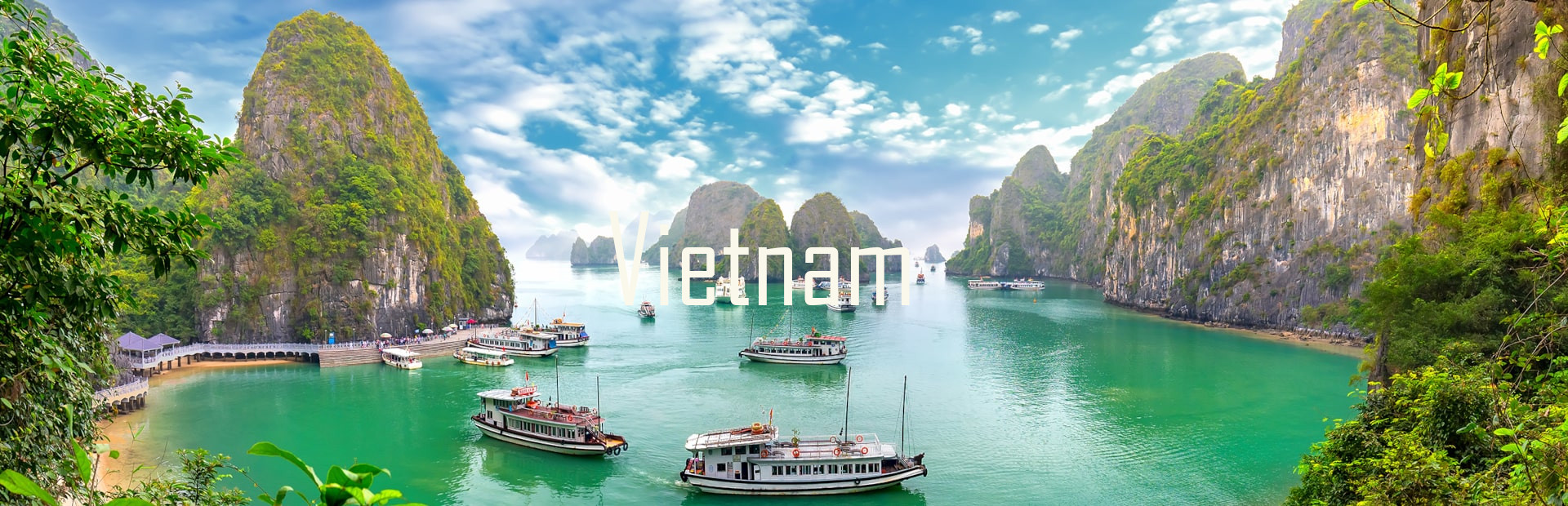
Ha Long Bay is one of Vietnam’s most famous natural wonders and a highlight for many travelers visiting the country. The bay attracts thousands of visitors each year, especially those looking to experience its stunning seascapes through overnight cruises.

During your time in Ha Long Bay, you can admire the breathtaking scenery of thousands of limestone islands rising from emerald waters. Activities often include kayaking between the karst formations, visiting impressive caves such as Sung Sot Cave, and spotting iconic landmarks like Fighting Cock Islet. You may also choose to simply relax on the cruise, enjoy fresh seafood, and take in the peaceful atmosphere of the bay, making this experience both memorable and enjoyable.
Day 6,7,8: Siem Reap
Continue your journey to Siem Reap, Cambodia, the gateway to the Angkor temple complex and one of Southeast Asia’s most captivating historical destinations. Spending three days here gives you enough time to explore the highlights without rushing.

During your stay, you can visit the main temples of Angkor, including Angkor Wat, Angkor Thom, Bayon Temple, and Ta Prohm, which is famous for its ancient ruins intertwined with massive tree roots. Beyond the temples, you may explore Tonle Sap Lake, the largest freshwater lake in Southeast Asia, where a visit to floating villages offers insight into the daily life of local communities.
In your free time, you can stroll around Siem Reap town, sample Cambodian cuisine, visit local markets, or watch a traditional Apsara dance performance in the evening. The relaxed pace allows you to experience both the historical significance and the local charm of Siem Reap.
Day 9,10,11: Bangkok
After finishing your time in Siem Reap, you can continue your journey to Bangkok, Thailand’s vibrant capital city. Bangkok is one of the most popular destinations in Southeast Asia, attracting visitors each year with its unique mix of ancient traditions and modern city life.

During your stay, you can explore some of the city’s most famous landmarks, such as the Grand Palace and Wat Phra Kaew, as well as iconic temples like Wat Pho and Wat Arun. Beyond sightseeing, you may enjoy a boat ride along the Chao Phraya River, visit local markets, or experience Bangkok’s lively street food scene. With a few days in the city, you can balance cultural exploration with leisure time and discover the dynamic atmosphere that makes Bangkok so appealing.
Day 12,13,14: Phuket
To end your journey, you can head to Phuket, Thailand’s largest island and one of the country’s most popular beach destinations. Known for its beautiful coastline and relaxed atmosphere, Phuket is an ideal place to slow down and enjoy the fresh sea air after days of sightseeing.

During your time here, you can spend your days relaxing on well-known beaches such as Patong, Kata, or Karon, or join island-hopping tours to nearby spots like the Phi Phi Islands or Phang Nga Bay. Other options include exploring Phuket Old Town, visiting local temples, or simply enjoying seafood by the beach. This final stop offers a perfect balance of relaxation and light exploration before your journey comes to an end.
Travel tips for a 2-week trip in Thailand, Cambodia & Vietnam
Traveling to Thailand, Cambodia, and Vietnam in two weeks means choosing key destinations so you can truly enjoy the journey without feeling rushed. The tips below will help make your multi-country trip smoother and more enjoyable:
- Plan a realistic itinerary that allows for convenient transportation while saving both time and costs. Avoid moving too frequently and focus on highlights.
- Check your passport validity and visa requirements for each country in advance, as entry policies may vary depending on nationality.
- Pack light and appropriately for the climate, as weather conditions can differ between destinations.
- Bring comfortable walking shoes and a small backpack to make sightseeing and transfers easier.
- Use flights wisely between countries to reduce long travel times and avoid unnecessary backtracking.
- Leave some flexibility in your schedule in case of flight changes, weather conditions, or unexpected delays.
- Balance sightseeing with rest time, especially on a multi-country trip, to avoid travel fatigue and fully enjoy each destination.
You may also like: Holiday in Vietnam, Cambodia & Thailand
If you need support planning a convenient and well-balanced itinerary for Thailand, Cambodia, and Vietnam, don’t hesitate to contact Style Travel. As a professional travel company specializing in journeys across Southeast Asia, Style Travel offers carefully designed experiences tailored to your interests, travel style, and pace. With local expertise and personalized service, we’re here to help you create a smooth, memorable journey filled with unforgettable moments across these three fascinating countries.


Best family holiday destinations in Asia

Things to do in Nha Trang

Ninh Binh or Halong Bay: Which should you visit?